What Are the Four Pillars of Veterinary Social Work—And Why It’s Time to Add a Fifth?

Veterinary Social Work has grown into a vital interdisciplinary field, offering support where human and animal wellbeing meet. For years, practitioners, educators, and caregivers have organized this work around four foundational pillars. These pillars provide structure, clarity, and a shared language for understanding how social work values fit within veterinary and animal care environments.
But as our profession has evolved, so have the needs of the people and animals we serve. In today’s world, one additional area of practice has emerged as indispensable—crisis intervention. Below is a fresh look at the original four pillars and the case for formally recognizing a fifth.
The Original Four Pillars of Veterinary Social Work
1. Grief and Bereavement Support
The loss of an animal can shape a person’s emotional landscape for years. Veterinary social workers help families navigate anticipatory grief, end-of-life decisions, and the often-overlooked mourning that follows the death of a beloved companion. This pillar validates the profound bonds people form with animals and ensures caregivers receive compassionate, nonjudgmental support.
2. Compassion Fatigue and Professional Wellbeing
Veterinary professionals face chronic stressors unique to their field: moral distress, client conflict, repeated exposure to suffering, unrealistic public expectations, and the emotional intensity of euthanasia work. This pillar focuses on protecting the mental health of veterinarians, technicians, rescuers, and animal-care staff. Social workers help teams build sustainable practices, boundaries, and resilience.
3. The Link Between Human and Animal Violence
Extensive research shows a strong correlation between interpersonal violence, child abuse, elder abuse, and harm to animals. Veterinary social workers are trained to recognize and respond to these warning signs. They help create safer households by working collaboratively with veterinary teams, social service providers, law enforcement, and community organizations.
4. Animal-Assisted Interventions
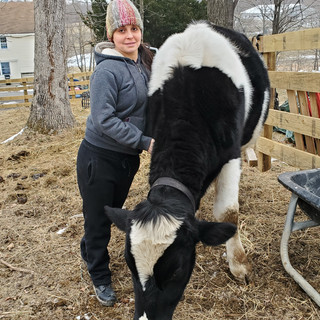
From therapy animals to structured programs using horses, dogs, or even cows, animal-assisted interventions harness the healing potential of human–animal relationships. This pillar includes clinical practice, ethical considerations, program development, and evaluation to ensure interventions are safe and beneficial for both humans and animals.
Why We Need a Fifth Pillar: Crisis Intervention
As the field has matured, practitioners have found themselves repeatedly stepping into urgent, high-stakes situations that fall outside the boundaries of the original four pillars. These scenarios are no longer occasional—they have become central to the work.
Crisis intervention addresses situations such as:
• Families fleeing domestic violence with pets
• Individuals experiencing homelessness while caring for animals
• Mental health crises involving pet guardians
• Emergency sheltering during natural disasters
• Clients forced to surrender animals due to economic instability
• High-risk veterinary cases where caregivers are overwhelmed and unsafe
In these moments, veterinary social workers become lifelines—helping people problem-solve, stabilize, and access resources while keeping both humans and animals as safe as possible. Crisis intervention requires specialized training in assessment, safety planning, trauma-informed communication, and inter-agency coordination.
Adding crisis intervention as a fifth pillar acknowledges the reality of contemporary practice:
We are not just supporting grief or wellness. We are often the first responders to human–animal crisis systems.
What This Fifth Pillar Represents for the Future of the Field
Recognizing crisis intervention as a foundational domain does more than expand a framework—it strengthens the profession. It:
• clarifies the full range of skills needed in veterinary–social work settings
• acknowledges the complexity of the human–animal relationship in modern society
• supports better training and supervision for practitioners
• enhances interdisciplinary collaboration with veterinarians, shelters, and social services
• reflects the lived experiences of clients who often rely on animals for safety, identity, or emotional regulation
Most importantly, it ensures that no one navigating a crisis with an animal feels invisible or unsupported.
Moving Forward: A More Holistic Model of Care
By integrating crisis intervention into the existing pillars, we create a model that reflects the full emotional, relational, and systemic landscape of human–animal care. The revised framework—now five pillars—better captures the reality of what professionals do every day: protecting animals, supporting people, strengthening bonds, and responding to crises with compassion and skill.
As our field continues to expand, so will our responsibility to innovate, collaborate, and advocate. Recognizing this fifth pillar is a step toward a more responsive, equitable, and humane future for all species.


Comments